


Winter Dog Walking in Aspen: How to Keep Your Dog Happy, Safe, and Fully Enriched

Aspen winter is a vibe: crisp air, snow-dusted trails, and that quiet, cozy mountain calm. For dogs, it can be the best season, or a frustrating one, depending on how winter walks are handled.
If your dog is bouncing off the walls in January, you’re not alone. Winter often changes routines: shorter daylight, colder temps, icy sidewalks, and fewer long outdoor adventures. The result can be under-exercised, under-enriched dogs… and all the “creative” behavior that follows.
This guide is your practical playbook for winter dog walking in Aspen and Snowmass Village, including safety tips, paw care, enrichment ideas, and what to look for in a professional dog walking service.
Why winter is harder (and how to make it better)
Winter challenges can sneak up on even experienced dog owners:
Shorter walks because it’s cold
More indoor time and less novelty
Slick conditions that change how dogs move
Dry air, salt, and ice causing paw irritation
Fewer social opportunities
The solution isn’t always “walk longer.” It’s often “walk smarter,” plus add enrichment that meets your dog’s needs.
Winter walking safety basics (Aspen edition)
1) Watch the paws: snow, ice, and de-icers
Paw issues are one of the most common winter problems. Look out for:
Ice balls between toes
Cracked pads
Limping after salt exposure
Excessive licking after walks
Simple prevention:
Trim paw hair (less snow clumping)
Use paw balm before/after, we like the Musher's Secret Wax brand
Wipe paws after every outing
Consider boots for sensitive dogs
Trustworthy tip: If your dog hates boots, start slow: one boot for a minute inside, treat, remove. Build up gradually. Most dogs can learn to tolerate boots with calm training.
2) Dress for the dog you have
Not every dog needs a jacket, but many benefit from one—especially:
Short-haired breeds
Smaller dogs
Seniors
Lean dogs
Dogs with low cold tolerance
A good winter layer should allow full shoulder movement and stay secure without rubbing.
3) Adjust expectations for ice + terrain
In winter, traction matters. Dogs can strain a muscle or worse slipping on ice just like humans can.
Avoid:
Steep icy slopes
Polished sidewalks after thaw/freeze cycles
High-speed fetch on slick surfaces
Choose:
Packed snow trails with good traction
Sun-exposed paths during colder days (less ice)
Steady movement instead of sprinting
The secret to winter: enrichment beats “miles”

Your dog doesn’t need a marathon every day.
They need:
Purposeful movement
New scent experiences
Social time (if appropriate)
Training games
Novelty
A 30–45 minute winter walk that includes sniffing, training, playing with other dogs, and safe exploration can outperform a rushed 60-minute loop.
Winter enrichment ideas (easy, real-life friendly)
1) Sniff walks (the “sniffari”)
Let your dog lead with their nose for part of the walk. This can:
Lower arousal
Provide mental fatigue
Reduce pulling over time
Do this: pick a safe area, loosen the leash (or use a long line where appropriate), and let them explore at their pace.
2) “Find it” games in snow
Snow turns scent games into a magic trick. Scatter treats in a safe spot and let your dog search.
Why it works: sniffing is mentally taxing and deeply satisfying.
3) Micro-training during walks
Winter walks are perfect for short cues:
Sit at curb cuts
Touch (hand target)
Look at me
Leave it
Heel for 10 steps
The goal isn’t perfection. It’s engagement.
4) Structured socialization (for dogs who enjoy it)
Some dogs become more reactive in winter because they’re under-stimulated. The right group walk can help—when it’s structured and supervised.
That’s a big reason Pupper Bus focuses on compatibility and calm movement: winter energy is real, and dogs need a safe outlet.
Common winter behavior issues (and what they’re really saying)
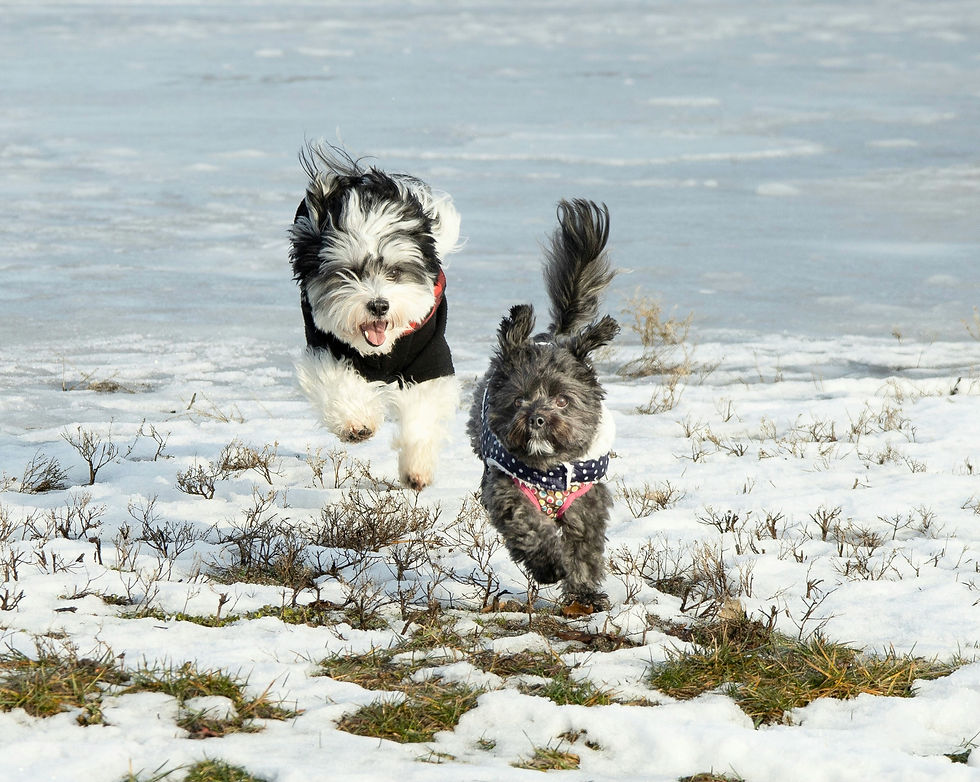
“My dog is acting wild.”
Translation: I have energy and no job.
Solution: structured walks + scent work + training games
“My dog is chewing everything.”
Translation: I’m bored and under-enriched.
Solution: increase mental enrichment, not just physical
“My dog is reactive on leash in winter.”
Translation: I’m over-threshold and not getting enough decompression.
Solution: choose quieter routes, add sniff time, avoid peak traffic, consider structured pack outings (if your dog is social).
Winter checklist: what to bring on walks
Waste bags
Water (yes, even in winter)
Towel in the car
Paw balm
Paw wipes
Jacket/boots as needed
A few treats for training moments
How to choose a dog walking service in Aspen (winter-specific)
If you’re hiring a dog walker in Aspen or Snowmass, winter is where professionalism really shows. Look for:
Clear safety policies
Structured handling
Transparency around grouping and supervision
Consistent communication
Vaccination requirements for group services
At Pupper Bus, our approach is simple: fun and safety can coexist. The goal is happy dogs and peace-of-mind owners.
FAQs: winter dog walking in Aspen + Snowmass
How cold is too cold for dog walks?
It depends on breed, coat type, age, and health. Short-haired dogs may need layers sooner; northern breeds may thrive. Watch your dog’s body language and shorten outings when needed.
Are salt and de-icers dangerous?
Some can irritate paws or upset stomachs if licked. Wiping paws after walks is a great habit.
Do dogs need water in winter?
Yes. Dry air + activity can still lead to dehydration.
Is pack-play okay in winter?
It can be excellent—when structured, supervised, and matched thoughtfully.
Want winter walks your dog actually feels?
If winter has your dog climbing the walls, Pupper Bus can help with structured dog walking, pack-play, and enrichment-first outings in Aspen and Snowmass Village.


Comments